


Heritage Building Survey: Full Building Survey of an East Midlands Chapel
Our Chartered Surveyors understand heritage assets and provide thorough, technical insight into their condition and structure, along with detailed advice on appropriate repairs and maintenance.
Brief: Carry out a full building condition survey and recommend repairs suitable for the heritage property.
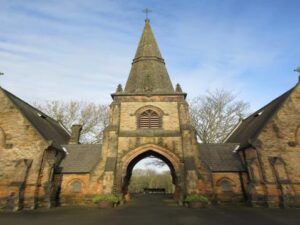
Property: Grade II listed pair of cemetery chapels constructed in 1910 in the late gothic style.
Client: The Borough Council.
Want to know more?
Project specification
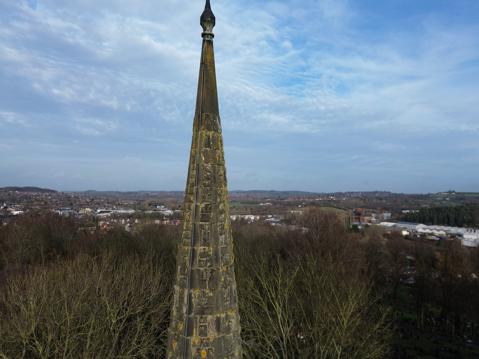
This was a pair of cemetery chapels linked by passages to a central carriageway with tower and spire above.
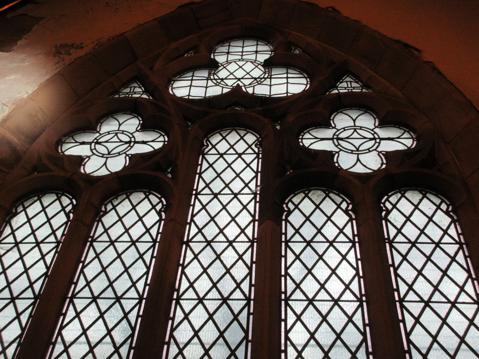
They were built over a century ago, using coarsed squared rock face limestone with a Welsh slate roof. Windows were stone framed leaded units.
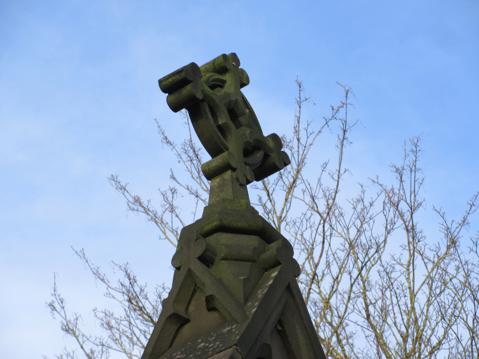
Historic details were abundant, including a stone cross and arches, and decorative stone detail. Other features included large wooden doors and louvered windows.
Our output was a 179 page report with photographs throughout, detailing the condition and structure of the entire property.
- Recommendations for remedial works were also included. These were costed, with descriptions of materials and methods appropriate for a heritage asset from this era.
Surveying a Heritage Property
-
As with any period property of this type and age, a surveyor will be looking at the state of repair and whether proactive maintenance has taken place.
-
Proactive maintenance helps keep a period property in good condition and prevents deterioration of major structural elements. For example, repointing with a lime-based mortar in areas where pointing has eroded will protect the masonry and prevent slipping or falling stonework.
-
-
Often, surveyors find evidence of inappropriate historic repairs to period buildings that were carried out using cementitious mortar.
-
This can accelerate damage to stone by disrupting the cycle of moisture within the walls. While raking out the mortar and replacing is not usually feasible, when the cementitious mortar fails it should be replaced with lime-based pointing.
-
In areas where stonework has deteriorated significantly, it can be possible to cut out and replace small sections.
-
-
Structural movement is not unusual in old buildings, but it is often historic; a surveyor will be able to advise on the likelihood of any movement being stable or progressive, and on whether any remedial works are required.
-
Cracking should be repointed to improve stability, and to prevent damp ingress and further deterioration.
-
-
Particular attention should be paid to the coping and other methods of protection from rainwater. Damage to the coping can result in water running down the face of the property, saturating stonework and gradually eroding it. Keeping roofs, coping and rainwater goods in adequate condition will prevent damage to the building below, making those works cost-effective in the long term.
-
Surveyors use a drone to inspect the high-level areas, including the metal cross and spire of this chapel.
-
Surveyors can advise on the level of works required at height, and whether scaffolding would be required or if a rising access platform would suffice.
-
-
Internally, wood work will be checked carefully for rot and decay, particularly if water ingress and damp are suspected. The condition of the roof trusses and purlins will be assessed, and the surveyor will look out for signs of animal infestation.
-
The condition of plaster and decorative finishes will also be assessed. Floors are assessed for state of repair, whether there are any issues with undulation, and for any signs of damp.
-
Cellars are common in heritage properties and will be inspected. Advice on appropriate works will depend on the intended use of the space.
-
Similarly, comments on fire detection and provisions for heating and water will all be made with consideration to the intended use of the building.
Read more about our condition surveys here, or find out more about our Nottinghamshire commercial surveyors.
We're here to help
If you would like to discuss a potential project with our consultants or get advice on any aspect of building surveying or engineering, please don’t hesitate to complete our contact form, call us on 0333 202 6386, or contact one of our regional offices.