


Good Estate Management for Schools (GEMS): The role of a building surveyor
“The best way to understand the current condition of the estate is to commission a condition survey…by a qualified building professional”
– Department for Education
There is a clear need to make sure a school is safe, warm and weatherproof – schools need to be spaces where education can be delivered effectively and dynamically, in comfort and free from distraction and hazards.
Good estate management not only keeps staff and pupils safe and secure; it attracts staff and families, reinforces school values and allows effective budget management, often saving money in the long term.
Building surveyors play a key role in good estate management for schools, ensuring that managers fully understand the conditon of their properties, and the works and budget that will be required to keep it functioning in a safe, effective and efficient manner.
What is Good Estate Management for schools?
Good estate management for schools (GEMS) is an advice manual produced by the Department for Education to guide responsible bodies on how to successfully manage their school buildings and land. The guidance helps support effective budgeting, keeping schools safe and functional, and maintaining a sustainable environment.
The role of a surveyor in good estate management
The GEMS guidance recommends input from building surveyors in numerous aspects of estate management. Building surveyors are experts in assessing the condition and structure of buildings, identifying defects, and advising on remedial works and maintenance.
Surveyors will go further than simply pointing out what is wrong with a property and how to fix it. They will advise on the best materials and methods to use, budget costs for works and whether savings can be made by grouping remedial works together. Surveyors will let you know which problems are urgent and require immediate attention, and which can be left for the medium–to–long-term. The consequence of delaying repairs, but structurally and budget-wise, will also be explained so that you can make informed planning decisions.
Building surveyors can also create planned maintenance schedules, which describe what works need to be done to each element of a building in each of the coming years, along with the associated costs.
Want to know more?
What a school condition survey includes
Condition surveys are non-intrusive, visual surveys examining the condition and structure of the estate and its buildings.
Surveyors will also be looking at the property’s suitability for its current and planned use, as well as considering health and safety aspects, compliance with current regulations and any environmental hazards.
School condition surveys usually incorporate a planned preventative maintenance schedule. This tends to cover a period of 5–10 years and details tasks and budgets for maintaining every element of the estate buildings.
In addition to estimated costs for repairs and maintenance, survey reports also advise on the most appropriate materials and methods of repair.
A typical survey will include:
- Structure and fabric
- Building construction and fabric.
- Any structural elements that could be a cause for concern (e.g. RAAC or lath and plaster).
- Structural defects and structural maintenance requirements.
- Outside
- All external elements, including walls, windows and doors, roofs, chimneys, vents, rainwater goods, the school grounds, parking and hard-standings, drains (storm and foul/sewer), and access.
- Inside
- All internal elements, cincluding walls, floors, ceilings, stairways, windows, fittings (e.g. kitchen and bathroom facilities), finishes, lighting, loft spaces, basements, accessible insulation.
- Services
- Inspection of electrical, plumbing and HVAC systems. Recommendations on further investigations by mechanical and electrical professions where needed.
- Fire safety and Security
- Assessment of current fire protection measures, fire separation and detection measures. Recommendations for improvements to meet current standards.
- Site layout and accessibility
- Assessment of the suitability of the site for its purpose.
- Review of accessibility arrangements against current regulations.
- Recommendations for upgrading and improvement where relevant.
- Security
- Comments on evident vulnerabilities and suitability of existing alarm systems.
- Building Regulations
- Any breaches of building regulations will be highlighted. Listed building legislation and conservation area regulations will also be considered where appropriate.
- Dangerous and hazardous materials
- For example, asbestos, lead or wood wool slab.
- Environmental hazards
- Assessment of risks due to flooding, tree root proximity, radon, electromagnetic fields and microwave exposure, vermin (rodents, birds, insects), invasive vegetation (Japanese Knotweed/Giant Hogweed), and Legionnaire’s Disease.
Your building surveyor will also let you know whether any part of the estate needs to be closed for health and safety reasons, and advise on the timing of works and cost implications. This might include advising on the feasibility of carrying out works during term time, and on whether closure of the school would be required.
Finally, they will tell you if any further intrusive investigations or tests that are required, such as CCTV drainage surveys or asbestos testing.
When are school condition surveys required
All school properties require estate management, and therefore need regular professional condition assessments. Older buildings, such as those build during the post-war period or earlier, need more frequent inspections than modern properties. Older buildings are more likely to have accumulated structural defects.
It is also worth considering whether the buildings were constructed during a time when deleterious or potentially hazardous materials were communly used. These might include RAAC, asbestos, wood wool slab or lath and plaster, and may require careful monitoring by a surveyor or other suitable qualified professional.
We have had a Condition Data Collection 2 – do we still need a condition survey?
The Condition Data Collection 2 (CDC2) programme is a data collection exercise designed to collate high level data on the condition of school buildings. However, it is not structural and does not aim to identify all critical repairs that are required. Nor does it look at hazardous materials, or health and safety requirements. It also falls short of providing descriptions of defects, along with remedial works and associated costs.
Gov.uk states “The information collected during the CDC2 programme does not, and is not intended to, replace any of the current arrangements that exist at responsible body or school level to gather detailed building condition survey data for school sites.”
Therefore, while CDC2 data can be a useful tool in estate management, it does not replace the need for regular condition surveys.
Condition Survey: Case studies
Our team regularly carries out condition surveys on a range of commercial properties, from listed educational buildings to retail premises and places of worship.
Brief: Building condition surveys of a series of campus buildings at an educational site in Oxfordshire.
Property: A three-storey campus building dating from the Victorian era, alongside a detached office and training facility, also dating from the late 1800s.
Instructed by: Campus professor.
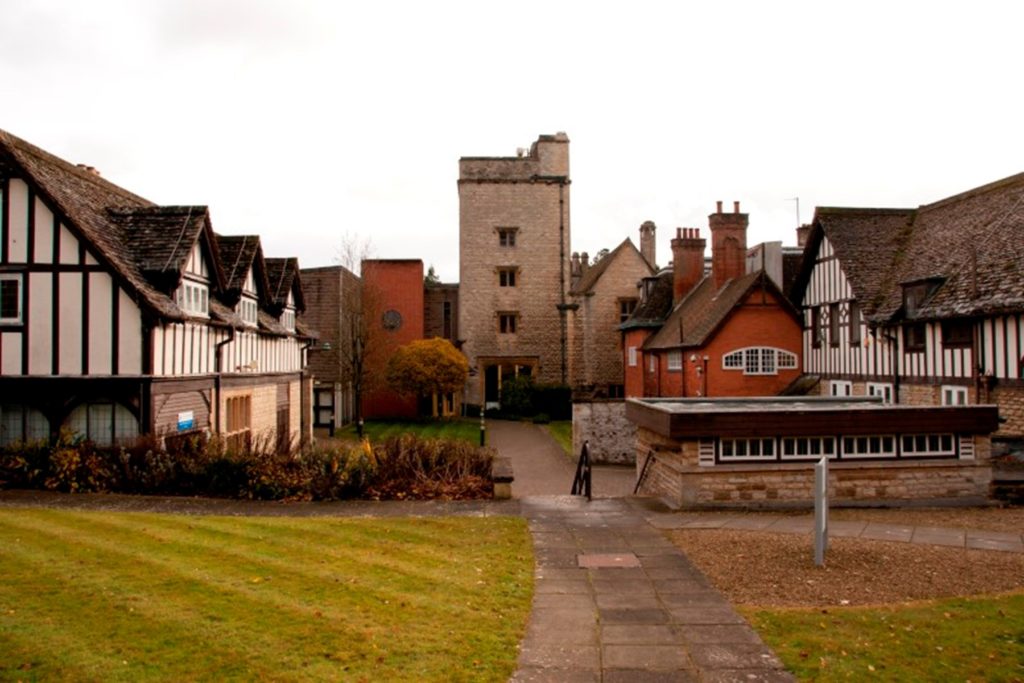
Brief: Carry out condition surveys of a series of schools to look for the presence of lath and plaster ceilings. We advised on their condition and any remedial works required.
Property: A series of primary schools in the East of England.
Instructed by: School network.

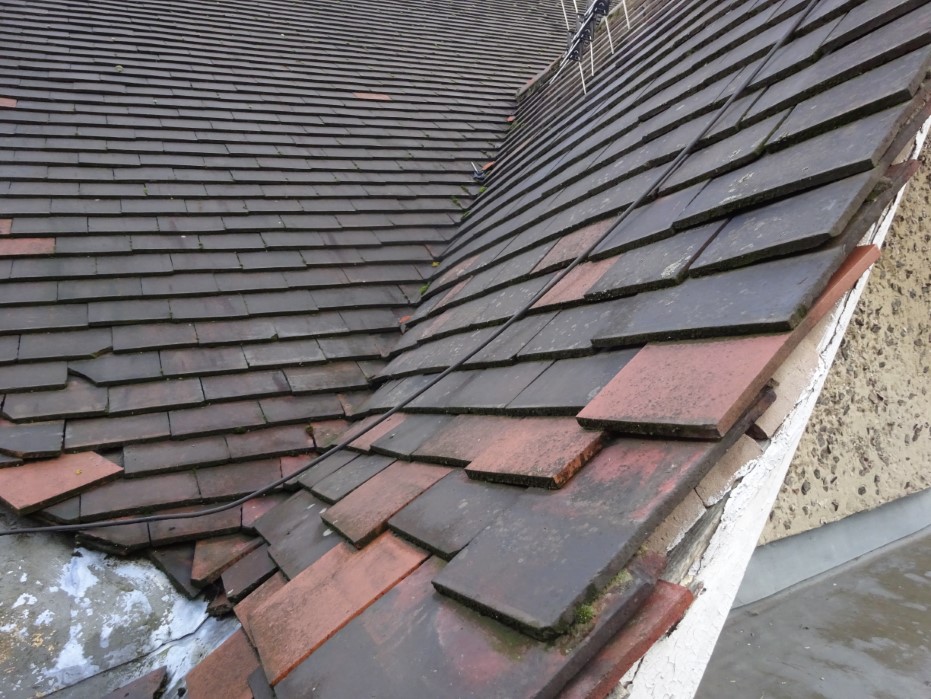
Brief: Inspect the external and internal aspects of the roof to assess its condition and requirements for repairs and maintenance.
Property: Primary school building.
Instructed by: School Manager.
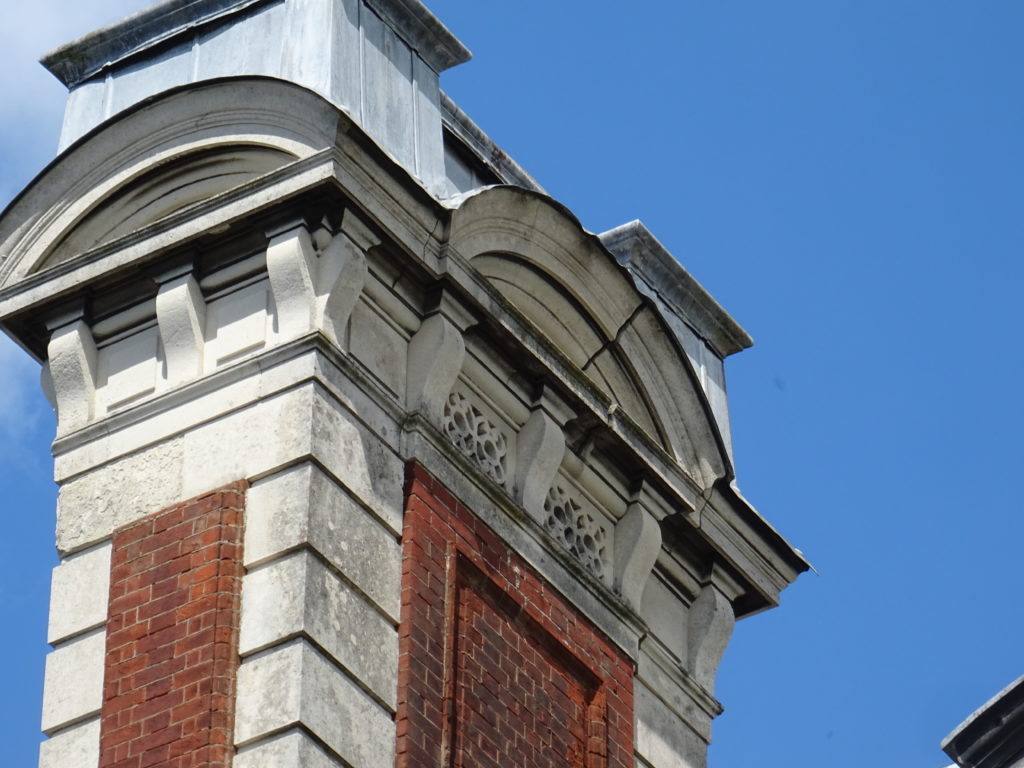
Brief: A full condition survey and 10-yer planned preventative maintenance schedule across.
Property: Grade 2* listed school building and modern teaching blocks.
Instructed by: Head Teacher.
Allcott Commercial’s surveying services
Our team at Allcott Commercial can talk you through your options and help you decide what type of survey is right for you
We also have several example reports available, which will provide an overview of what to expect from your survey.
Sometimes services allied to building surveying are required:
- Expert witness if you are involved in a building dispute.
- Commercial valuations if you require a Red Book RICS valuation of commercial assets.
- Structural engineering assessment or calculations if structural designs or calculations are required.
Contact us today on 0333 202 6386 or info@allcottcommercial.co.uk, to find out more about how we can support you with your commercial property.

Looking for residential / home survey services?
Looking for a RICS Level 2 or Level 3 Building Survey or Specific Defect Survey for a privately-owned residential property? Our team of residential surveyors and engineers can help. Visit allcottassociates.co.uk or Get an Instant Quote.
Alternatively, Allcott Commercial provides surveying services for housing associations and other residential property owners.
We're here to help
If you would like to discuss a potential project with our consultants or get advice on any aspect of building surveying or engineering, please don’t hesitate to complete our contact form, call us on 0333 202 6386, or contact one of our regional offices.